







Summary
Microchip’s latest hardware launch is aimed squarely at the increasingly software-shaped interior of the modern vehicle. The SAM9X75D5M hybrid MCU system-in-package combines processor and memory in one automotive-qualified package, targeting use cases such as digital cockpit clusters, HVAC controls and EV charging interfaces. For more component coverage, visit TechZoner’s hardware category and Microchip’s official release.
Why Automotive Interfaces Need Different Silicon
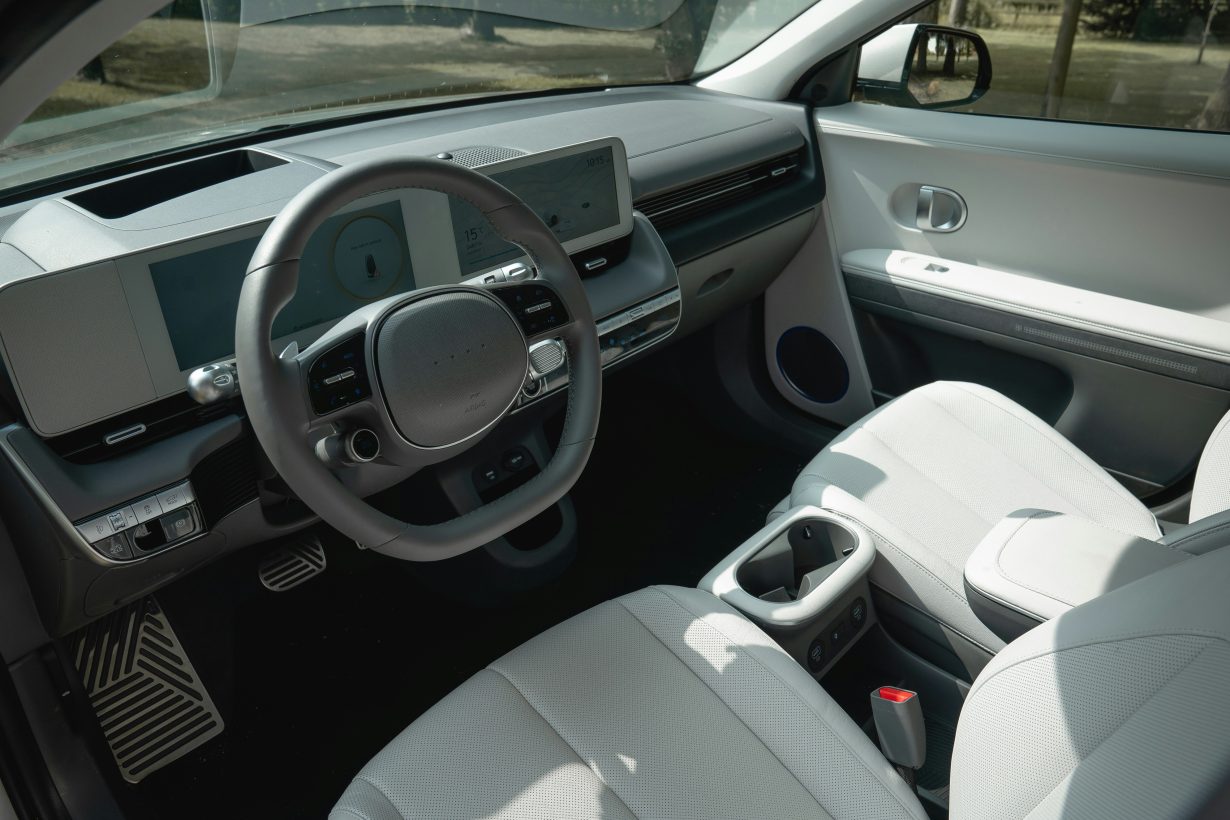
The vehicle dashboard is no longer a passive instrument panel. It has become a dense computing surface, expected to manage graphics, status information, connectivity, charging visibility and user interaction without lag or instability. That design shift has raised the pressure on semiconductor suppliers to deliver components that reduce board complexity while still offering the performance and memory footprint needed for richer interfaces.
Microchip’s new part addresses that tension by bundling the MPU and memory into a single package. In practical terms, this shortens development cycles, reduces integration overhead and can simplify thermal and space constraints in automotive designs. For OEMs and Tier 1 suppliers, shaving complexity from the electronics stack is not cosmetic. It helps manage qualification timelines, cost targets and reliability requirements in a market that does not tolerate flaky displays or delayed boot times.
What Microchip Is Actually Shipping
The SAM9X75D5M is tailored for applications including digital cockpit clusters, smart clusters for two- and three-wheelers, HVAC control and EV chargers. Microchip says the device offers flexible display interface options including MIPI DSI, LVDS and parallel RGB data, while also providing buffer space suited to automotive displays. That matters because display flexibility has become one of the quiet battlegrounds in vehicle electronics, particularly as manufacturers try to unify platforms across different trims and regional variants.
Integration Is the Real Selling Point
The headline feature is not simply raw compute. It is integration discipline. Car electronics teams are wrestling with platform sprawl, supplier fragmentation and a mounting need to validate both hardware and software under tougher regulatory and safety expectations. A system-in-package approach can reduce the number of external memory and support components required, making the design process cleaner and, in some cases, more predictable.
That predictability is worth money. Automotive timelines are long, expensive and unforgiving. Every extra component can create another failure point, another procurement dependency or another engineering delay. A chip that removes even part of that headache may appeal strongly to vehicle makers trying to ship more digital features without turning the cabin electronics stack into a nest of glittering chaos.
The Bigger Picture for Automotive Hardware
This launch also reflects the broader evolution of automotive semiconductors. The most interesting chips in the market are increasingly those that bridge traditional embedded control and richer application-layer experiences. Digital instrument clusters, charging management screens and connected cabin systems live in that hybrid zone. They require responsiveness, visual capability and robust qualification, but they are still tightly constrained by automotive cost and reliability demands.
The electric vehicle shift adds another layer. Charging interfaces and energy-related controls need components that can support intuitive user experiences while surviving harsh operating conditions. As EV architectures mature, the visual and interactive layer of power management will matter more. Drivers now expect chargers, status systems and cabin interfaces to feel as coherent as a consumer device, even when the underlying environment is far more demanding.
What to Watch From Here
The key question is where the new part lands in actual vehicle platforms. Press releases sketch intent, but production design wins are where the signal becomes concrete. If Microchip can translate this launch into widespread use across dashboards, charging modules and smaller mobility platforms, it will strengthen its position in a segment where integration and qualification are becoming decisive.
It is also worth watching how rivals respond. Automotive electronics is moving toward more consolidated modules, more display flexibility and tighter software integration. Vendors that cannot reduce design friction may find themselves offering technically capable parts that still feel cumbersome in practice. In a market shaped by engineering budgets and launch deadlines, cumbersome is often just a polite spelling of uncompetitive.
Are your product and brand truly aligned — or are key details getting lost?
Final Perspective
Microchip’s new automotive hybrid MCU SiP is not the kind of hardware launch that will dominate mainstream headlines, but it tracks an important industry reality. Vehicles are becoming more digital at the interface layer, and manufacturers want those systems to be easier to build, qualify and scale. By combining compute and memory in an automotive-focused package, Microchip is addressing a very concrete pain point: how to make modern vehicle electronics more capable without making the engineering burden spiral out of control.