





Summary
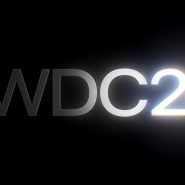
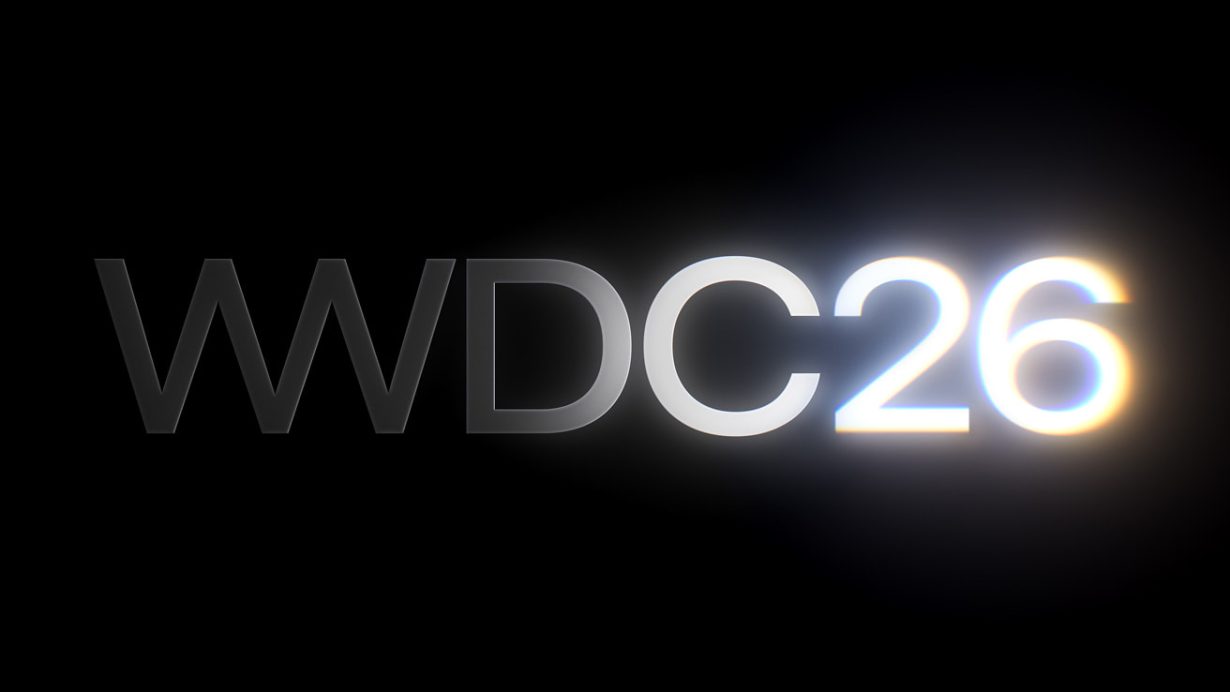
Apple has formally set the dates for WWDC26, confirming that its annual developer conference will run from June 8 to June 12 with an in-person component at Apple Park on opening day. The announcement is important not because it reveals specific platform features, but because it frames the company’s next software cycle around developer tools, platform updates and AI advancements that Apple appears keen to position as useful rather than merely loud. More coverage is available in TechZoner’s software archive and Apple’s official announcement.
Why the WWDC26 Timing Matters
Apple’s developer conference has always done two jobs at once. It previews software for end users, and it sets the agenda for the ecosystem that turns those platforms into businesses. This year, the pressure is higher because AI expectations around big consumer platforms remain intense. Apple has faced scrutiny over the pace of its generative AI rollout, particularly around Siri, yet the company is still signalling that AI will be part of the conference story.
That matters because Apple rarely wins by arriving first. Its software strategy often resembles a precision tool rather than a fireworks display. It tends to wait, integrate and then spread features across hardware, services and developer frameworks in a way that creates stickiness. WWDC26 is likely to be judged not only on what new capabilities appear, but on whether Apple can present them as coherent building blocks across iPhone, iPad, Mac, Watch and Vision products.
Apple’s AI Challenge Is Really a Software Design Challenge
The most revealing phrase in Apple’s announcement is not a product name. It is the promise of “AI advancements” alongside “software and developer tools.” That pairing suggests Apple wants to make AI feel like a native software layer, not a detached feature bundle. In Apple terms, success would mean developers get useful frameworks, users get features that solve ordinary problems and the ecosystem gains more reasons to stay inside Cupertino’s walls.
Reports around the announcement have also pointed to Apple’s continued interest in practical AI functions such as live call translation and visual assistance, even as some larger Siri ambitions appear to be taking longer than expected. That is a telling trade-off. Rather than trying to dominate the noisiest part of the AI narrative, Apple seems to be aiming for applied utility embedded in day-to-day software behaviour.
Developers Are the Real Audience
WWDC is often discussed like a consumer spectacle, but its core audience remains developers. The health of Apple’s platforms depends on whether software makers can quickly understand, test and monetise whatever new APIs and frameworks arrive. If AI features are introduced without strong developer hooks, they risk becoming polished demos sealed behind glass. If the tooling is solid, Apple can extend the value of its ecosystem far beyond whatever features appear in the keynote.
What the Market Will Be Watching
Analysts and developers will likely focus on three things. First, whether Apple presents AI as a cross-platform foundation or as isolated convenience features. Second, whether the company addresses the perception that it has moved more slowly than some rivals in generative AI. Third, whether new software design choices deepen lock-in across devices and services.
There is also a services angle. Broader reporting tied to the WWDC announcement indicates Apple is exploring further monetisation opportunities in areas such as Maps advertising. Even if such changes are not central to WWDC itself, they show why software matters so much to Apple’s business model. Platform updates are not only about user experience. They shape commerce, services revenue and distribution power inside the ecosystem.
Why This Looks Like a Pivotal WWDC
Apple’s challenge in 2026 is not simply to prove it has AI. Nearly every major platform company can say that now. The challenge is to prove that its AI roadmap strengthens the operating system experience, the developer ecosystem and the business logic of its services. That is a harder task, but it is also more durable when executed well.
If Apple succeeds, WWDC26 will be remembered as the event where its AI narrative stopped sounding defensive and started sounding integrated. If it misses, the reaction will be sharper because expectations have had ample time to steep. June is not far away, and the software world will be arriving with clipboards, not confetti.
Are your product and brand truly aligned — or are key details getting lost?
Final Perspective
The confirmation of WWDC26’s dates is more than calendar housekeeping. It marks the start of Apple’s next attempt to show that AI can be folded into platform design with discipline, developer leverage and mass-market usability. In a market crowded with noisy promises, Apple’s advantage will depend on whether it can make AI feel less like a separate product category and more like the new grammar of its software ecosystem.